Things you need to know before travel
Traditional Balinese Dance Performance
Everything You Need to Know
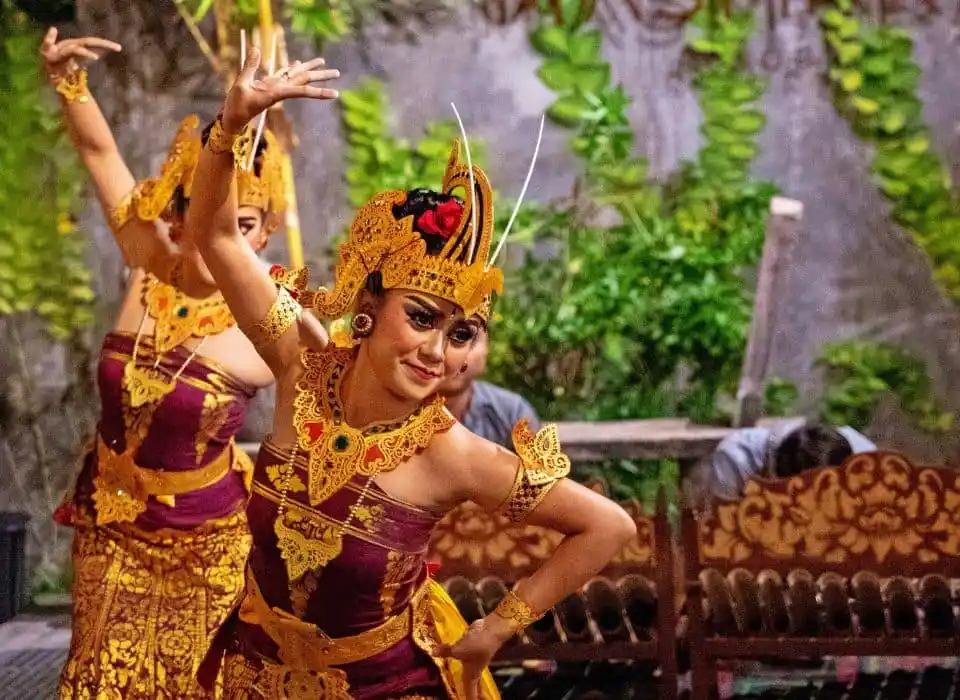
Traditional Balinese dance performances are a cornerstone of Bali’s rich cultural heritage. These intricate dances, characterized by elaborate costumes, expressive movements, and evocative music, offer a window into the island’s deep-rooted traditions and religious beliefs. In this detailed guide, we’ll explore everything you need to know about experiencing a traditional Balinese dance performance, from its historical significance to practical tips for visitors.
History and Cultural Significance
Balinese dance is an ancient art form that dates back centuries, intricately woven into the religious and cultural fabric of Bali. These dances are often performed during temple ceremonies, festivals, and special occasions, serving as offerings to the gods and as a means to tell stories from Hindu epics like the Ramayana and Mahabharata.
- Highlights: Religious significance, storytelling through dance, ancient tradition
- Tips: To fully appreciate the performance, consider learning about the specific dance you will be watching and its historical context.
Types of Traditional Balinese Dance
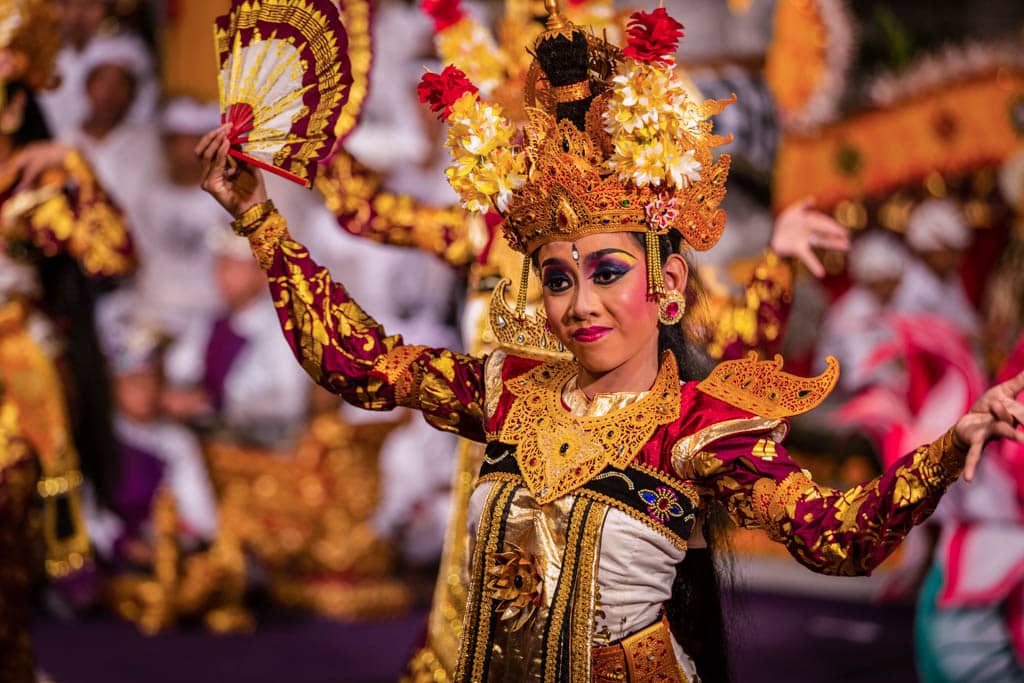
Legong Dance
Description: Known for its intricate finger movements, complex footwork, and expressive gestures, the Legong dance is traditionally performed by young girls who have undergone extensive training.
- Highlights: Intricate movements, elaborate costumes, young performers
- Tips: Pay close attention to the dancers’ hand and eye movements, which are crucial elements of the dance.
Barong Dance
Description: The Barong dance depicts the battle between good and evil, represented by the mythical creature Barong and the witch Rangda. This dance is deeply symbolic and often performed during important ceremonies.
- Highlights: Mythical storytelling, dramatic performances, elaborate masks and costumes
- Tips: Arrive early to get a good seat, as this popular dance often attracts large crowds.
Kecak Dance
Description: The Kecak dance, also known as the “monkey chant” dance, is unique for its vocal accompaniment provided by a large group of men chanting “cak” in rhythmic harmony. This dance reenacts scenes from the Ramayana.
- Highlights: Vocal chanting, large ensemble, fire dance elements
- Tips: The Kecak dance is typically performed at sunset, providing a dramatic backdrop for the performance.
Baris Dance
Description: The Baris dance is a traditional warrior’s dance that showcases the strength and bravery of Balinese soldiers. It features dynamic movements and is usually performed by a solo male dancer.
- Highlights: Dynamic and vigorous movements, solo performance, warrior theme
- Tips: Notice the dancer’s powerful expressions and stances, which convey the valor of a warrior.
Where to Watch Traditional Balinese Dance Performances
Ubud Palace
Description: Ubud Palace, also known as Puri Saren Agung, hosts nightly traditional dance performances in its courtyard, providing an intimate and authentic setting.
- Highlights: Historical setting, nightly performances, variety of dances
- Tips: Check the schedule in advance to see which dance is being performed on your visit.
Pura Dalem Ubud Temple
Description: This temple in Ubud is known for its evening dance performances, particularly the Kecak dance. The temple’s ambiance adds to the mystical experience.
- Highlights: Temple setting, Kecak dance, evening performances
- Tips: Arrive early to explore the temple grounds before the performance begins.
Pura Taman Saraswati
Description: Located in Ubud, Pura Taman Saraswati offers traditional dance performances with a beautiful lotus pond as the backdrop.
- Highlights: Lotus pond setting, traditional architecture, cultural ambiance
- Tips: Combine your visit with a dinner at a nearby restaurant for a complete cultural evening.
Pura Uluwatu
Description: Pura Uluwatu is famous for its Kecak dance performances held at sunset on a cliff overlooking the ocean, providing a breathtaking natural setting.
- Highlights: Cliffside setting, sunset views, dramatic Kecak dance
- Tips: Secure your tickets in advance, as this is one of the most popular venues for traditional dance performances.
Tips for Enjoying a Traditional Balinese Dance Performance
Dress Appropriately
Description: As many performances take place in temples or sacred sites, it’s important to dress respectfully. Wear modest clothing that covers your shoulders and knees.
- Highlights: Respectful attire, cultural etiquette, comfortable clothing
- Tips: Carry a sarong or scarf to cover up if needed.
Arrive Early
Description: Arriving early ensures you get the best seats and allows you to soak in the ambiance before the performance starts.
- Highlights: Best seating, less crowded, time to explore the venue
- Tips: Aim to arrive at least 30 minutes before the performance begins.
Learn About the Dance
Description: Understanding the story and significance of the dance enhances your appreciation of the performance. Many venues provide brochures or introductory talks.
- Highlights: Deeper appreciation, cultural insight, educational experience
- Tips: Do some research or ask for information about the dance before the performance starts.
Engage with the Performers
Description: After the performance, some dancers may be available for photographs or to answer questions. This is a great opportunity to learn more about the art form.
- Highlights: Personal interaction, photo opportunities, deeper understanding
- Tips: Be respectful and ask permission before taking photos
Practical Information
Ticket Prices
Description: Ticket prices for traditional Balinese dance performances vary depending on the venue and type of dance.
- Highlights: Affordable cultural experience, varies by venue
- Tips: Purchase tickets in advance when possible, especially for popular performances like those at Pura Uluwatu.
Getting There
Description: Most performance venues are located in central areas of Ubud or other popular tourist destinations.
- Highlights: Central locations, easy access
- Tips: Use local transportation options such as taxis, scooters, or organized tours to reach the venues.
Conclusion
Experiencing a traditional Balinese dance performance is a must-do activity for anyone visiting Bali. These performances offer a unique glimpse into the island’s rich cultural heritage and artistic traditions. Whether you’re watching the graceful Legong dance, the dramatic Barong dance, or the mesmerizing Kecak dance, you’ll be captivated by the skill and artistry of the performers. Plan your visit to one of Bali’s renowned dance venues and immerse yourself in the magic of Balinese dance.